1. Difficulty localizing sounds
SSD makes it hard to determine where sounds are coming from because binaural hearing (hearing with both ears) is essential for sound localization.
2. Reduced speech understanding in noise
In noisy environments, people with SSD struggle to separate speech from background noise since they cannot use binaural cues to focus on the speaker.
3. Head shadow effect
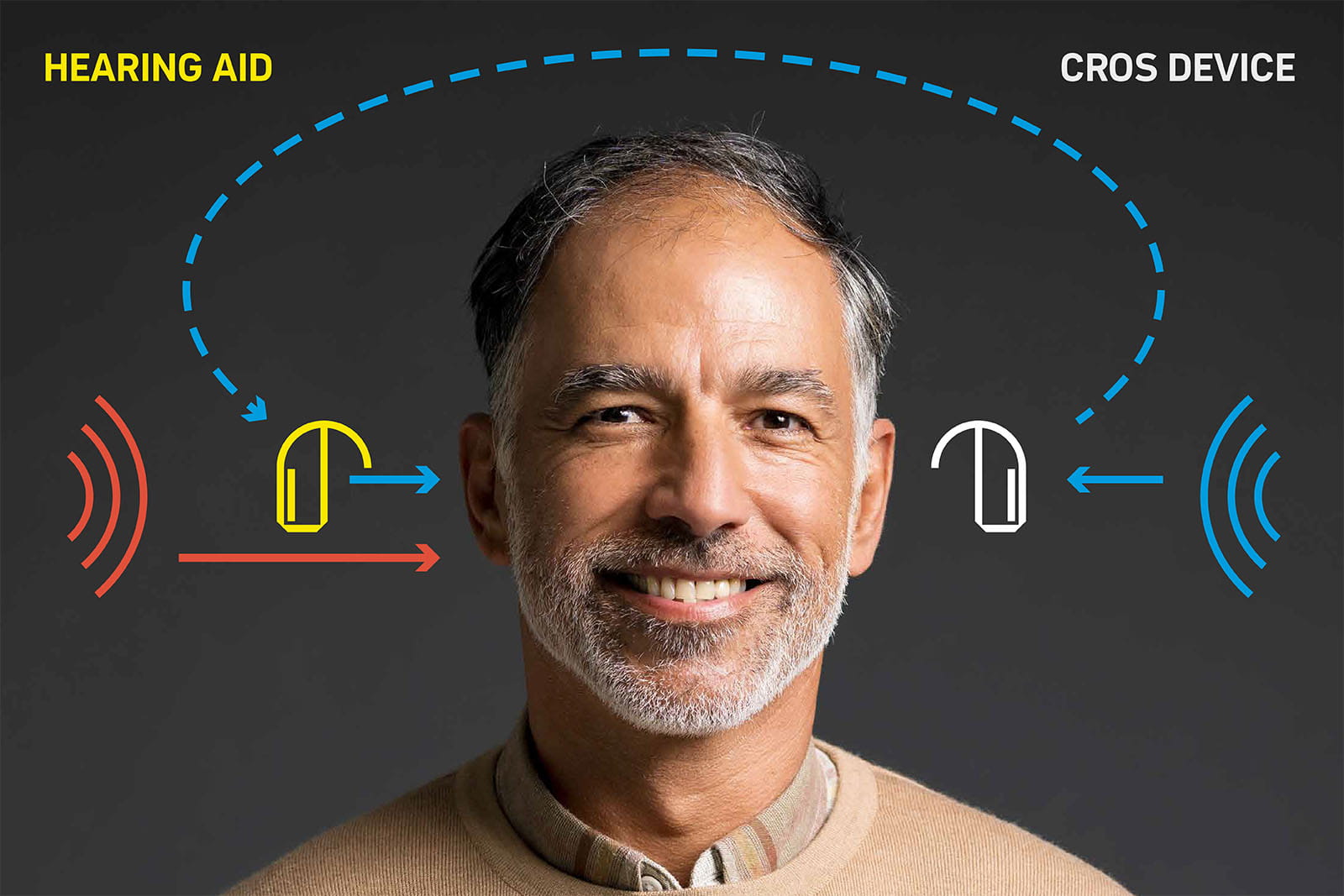
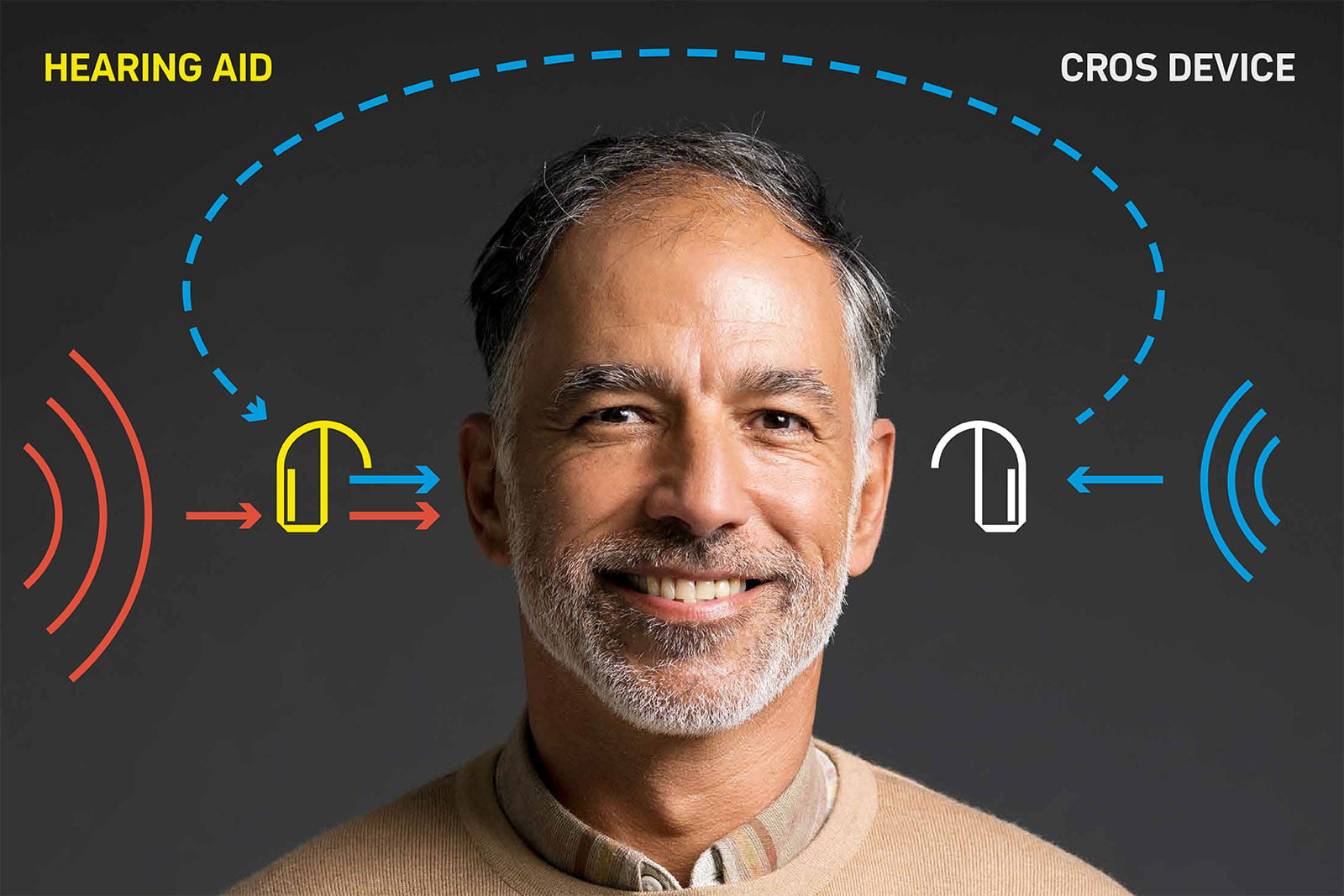
Sounds coming from the non-hearing ear are attenuated by the head before reaching the better-hearing ear, especially high-frequency sounds, leading to reduced audibility.
4. Increased fatigue
Constantly turning the head toward speakers and concentrating harder to understand conversations can cause fatigue and stress.
5. Social and emotional impact
SSD can lead to social withdrawal, frustration, and reduced participation in group conversations, impacting quality of life.
6. Safety concerns
Difficulty localizing sounds can pose safety risks, such as not knowing the direction of approaching vehicles or alarms.