TYPES OF  HEARING AIDS

TYPES OF
HEARING AIDS

WHICH HEARING AID IS RIGHT FOR ME?

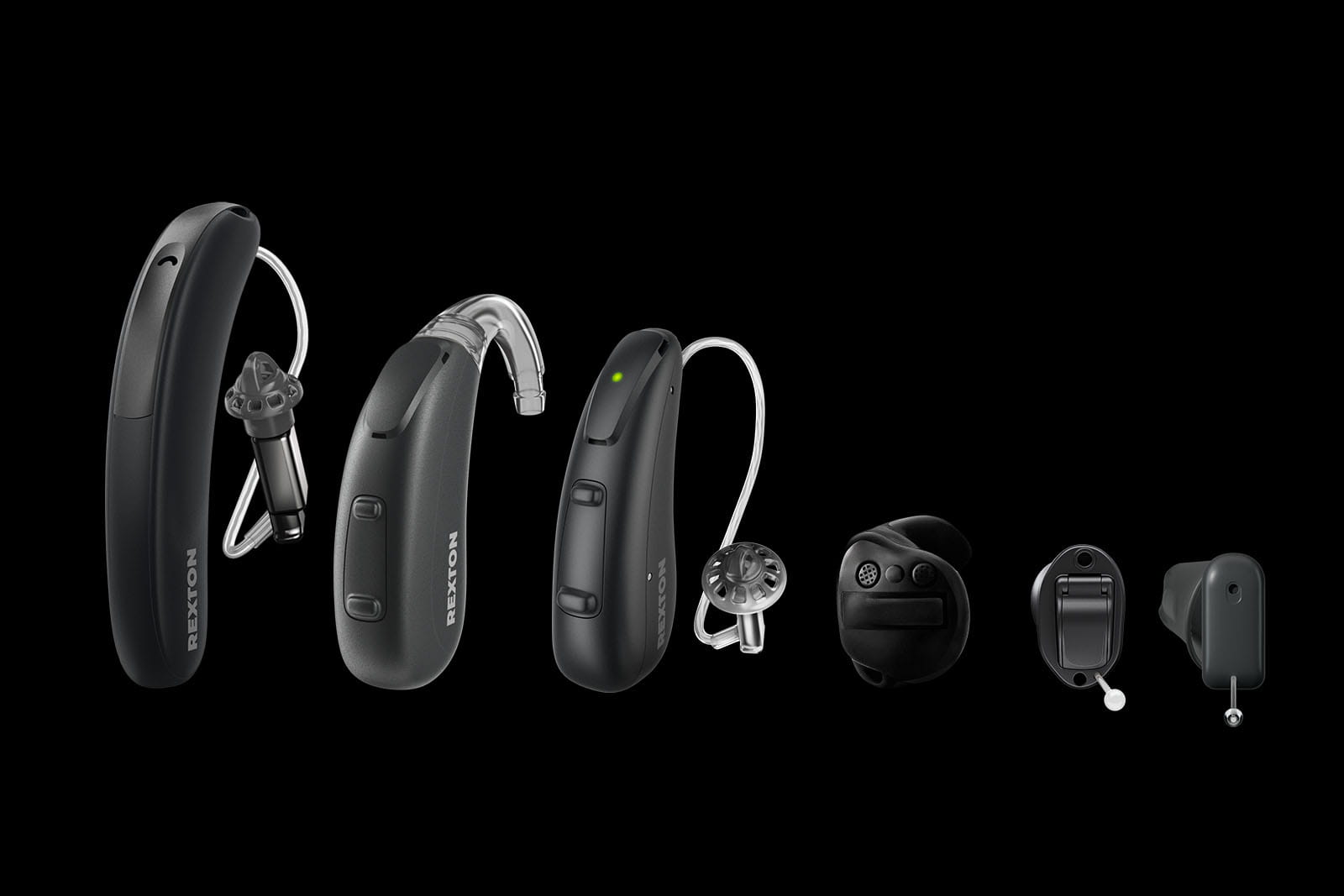
Hearing aids have evolved greatly over the last 50+ years. While every hearing aid is designed to improve your hearing quality, there are important distinctions between each type of device. Determining which type is best for you often comes down to a combination of personal preference, aesthetics — and most importantly – performance. 

HOW TO CHOOSE A HEARING AID TYPE

There are three main factors to consider when determining the right hearing aid type for you: hearing loss, ear anatomy, and your specific hearing needs.

Hearing loss ranges from mild (difficulty listening to certain frequencies) to profound (can barely hear anything at all). Some hearing aid types are more appropriate for specific levels of hearing loss.

Each ear is unique, just like our fingerprints. Some types of hearing aids might fit you better than others, and these specificities are important when choosing which type of device is right for you.

Hearing needs do not have a direct relationship with hearing thresholds. Put simply – each individual has their own needs when it comes to hearing aids, regardless of how their hearing loss appears to impact them. Hearing Care Professionals are trained to determine these needs and address them using the most suitable features provided by different hearing aid types and technologies. 

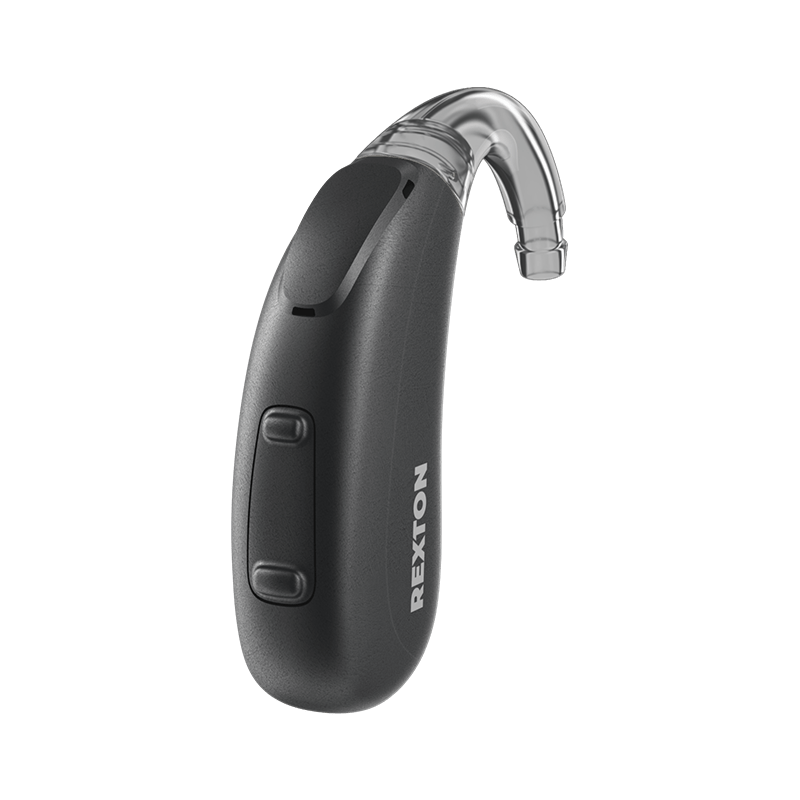
BEHIND-THE-EAR (BTE) HEARING AIDS

These are often what most people envision when they think of hearing aids. BTE devices wrap all electrical components inside the device’s housing, which sits behind the ear. A connection tube is used to provide the amplified sound from the BTE to the wearer’s ear, which can either take the shape of a personalized earmold or an instant fit device with a thin tube. BTE hearing aids are usually more powerful than other types of hearing devices and cover a wider range of hearing loss, from mild to profound. BTEs are also easy to clean, easy to handle, and often provide longer battery life. 

Discover our latest BTE model

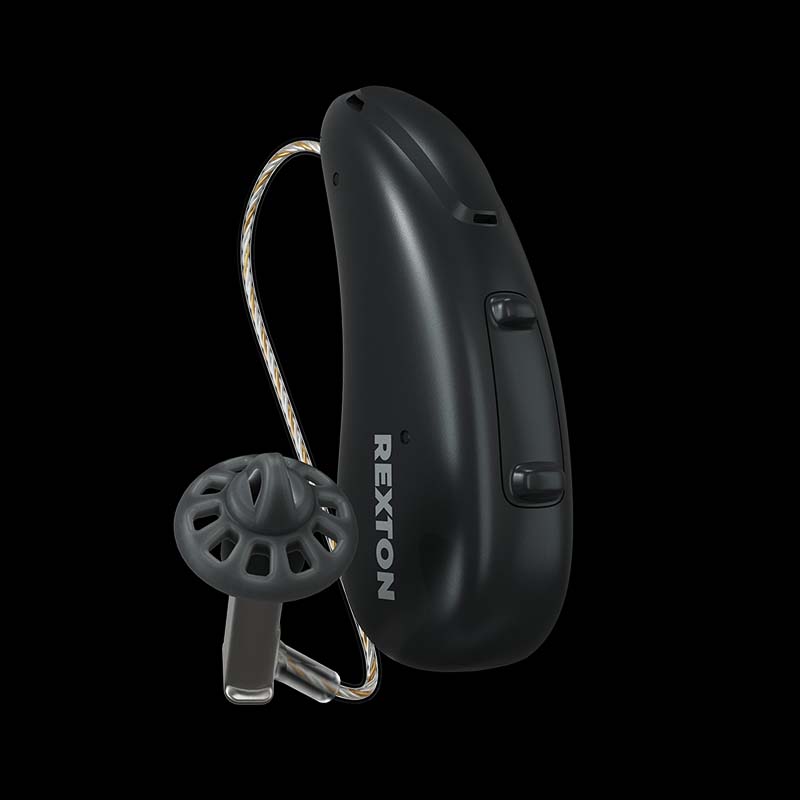
RECEIVER-IN-THE-CANAL (RIC) HEARING AIDS

These devices have recently become the most popular type of hearing aid due to their high flexibility and practical fitting.

The hearing aid receiver, one of the main electrical components of the device, sits within the ear canal and is connected to the remaining components via a wire that leads to a small housing behind the wearer’s ear. RIC hearing aids are often smaller than BTEs and are the best solution for those who seek a more discreet fit.

RIC hearing aids can be used for hearing loss that ranges from mild to severe, and thanks to a wide variety of instant fit options for couplers, they can often be fitted without the need for a specific earmold. 

Discover our latest RIC model

INSTANT-FIT HEARING AIDS

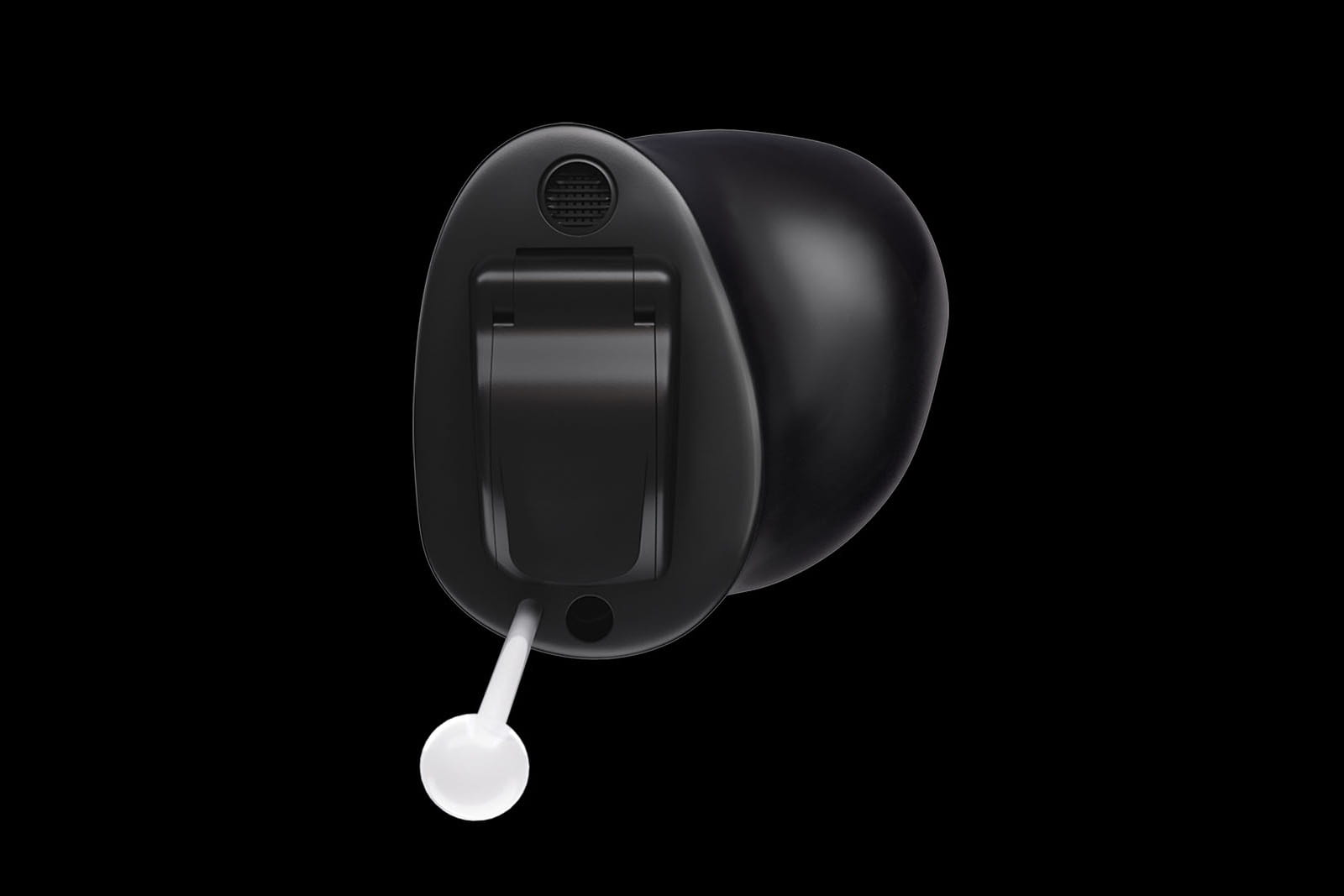
Instant-fit hearing aids sit within the ear and are ready-to-wear without the need for any custom molding. Soft and flexible tips maximize wearer comfort and make these devices very easy to wear. 
Discover Instant Fit hearing aids

CUSTOM HEARING AIDS

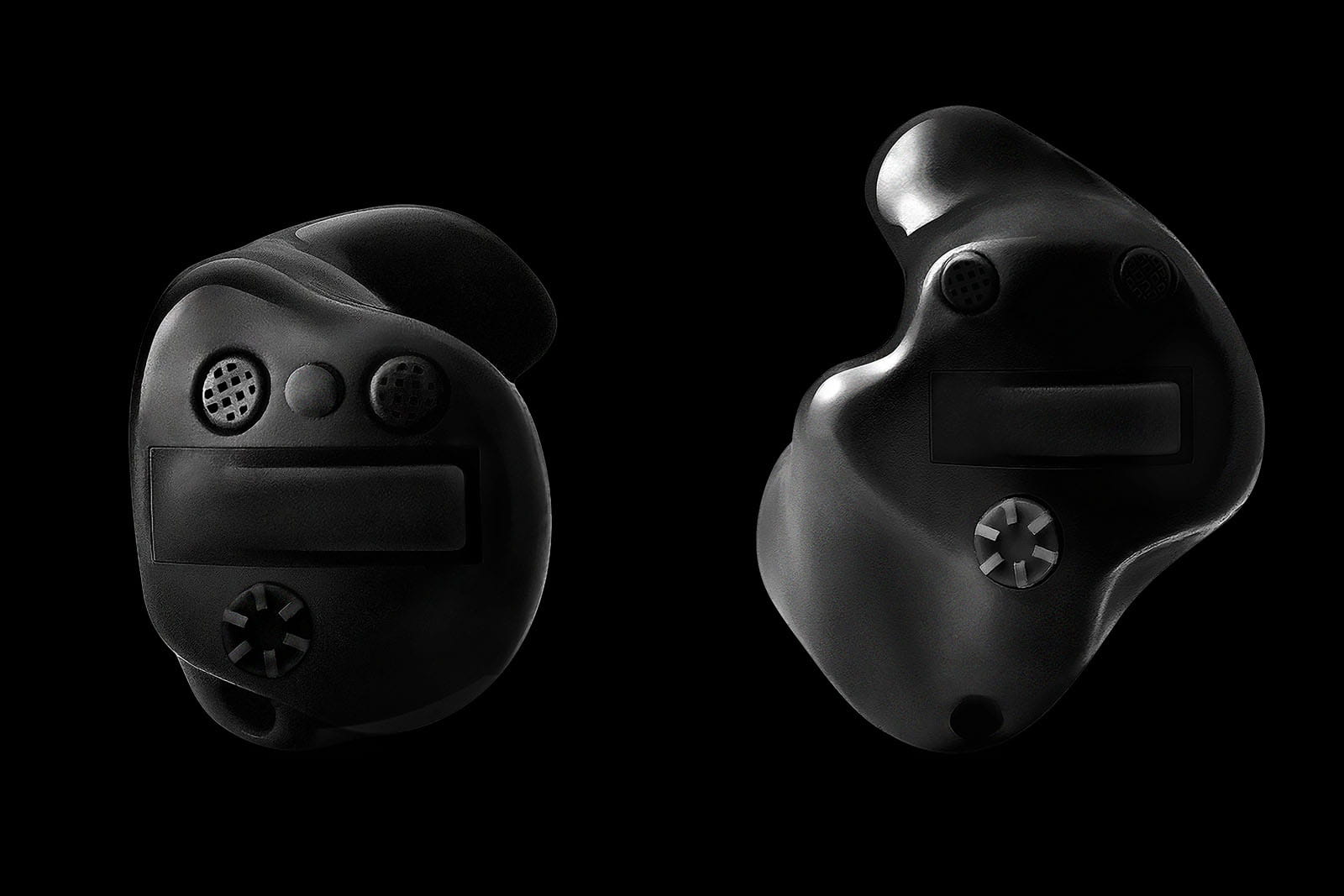
Rexton offers personalized hearing aids, tailored specifically to each wearer’s individual ear impression. These devices deliver uncompromising comfort and audibility. 

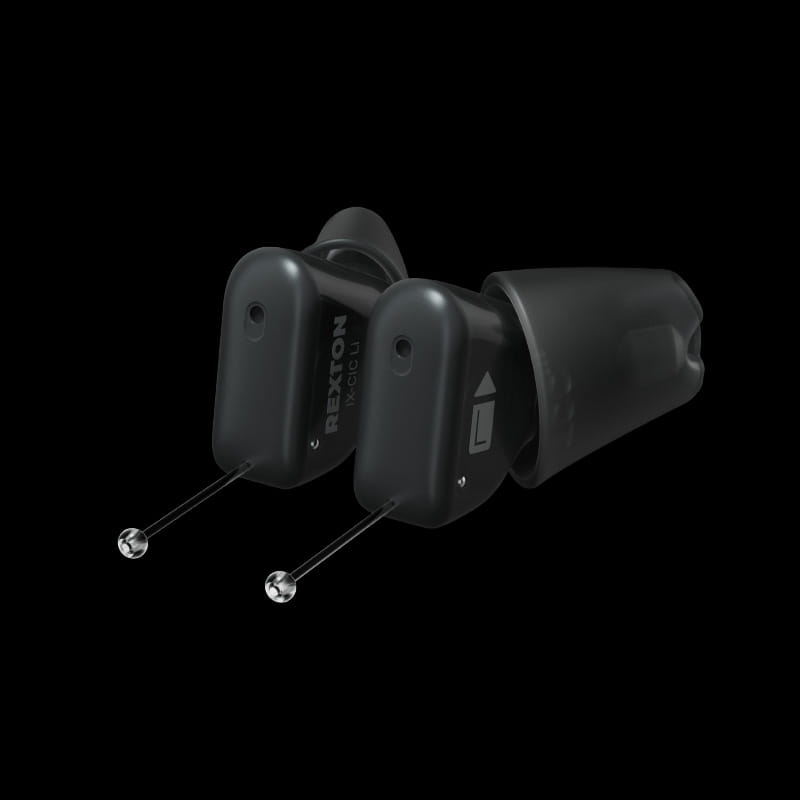
CUSTOM CIC

CIC (Completely-in-the-Canal) hearing aids sit very deep within the wearer’s ear canal and are almost invisible to the outside observer. These devices are built to help with mild to moderate hearing loss. 
Discover Custom CIC hearing aids
Reach Custom CIC

CUSTOM ITE & ITC

ITE (In-the-Ear) hearing aids fill the wearer’s outer ear and are easier to handle than smaller ITC (In-the-Canal)  devices. Their larger size allows for additional hearing aid features when compared to CIC devices. 
Discover Custom ITC/ITE Hearing Aids
Go to the top